Holes for pipes, drains and conduit
When a new drain, vent or wire run has to pass through a slab or foundation wall, a round hole drilled to size beats breaking out a ragged patch and filling it back in.
Need an opening in a slab or wall for a pipe, a drain or a door? We plan the scan, then cut it straight.
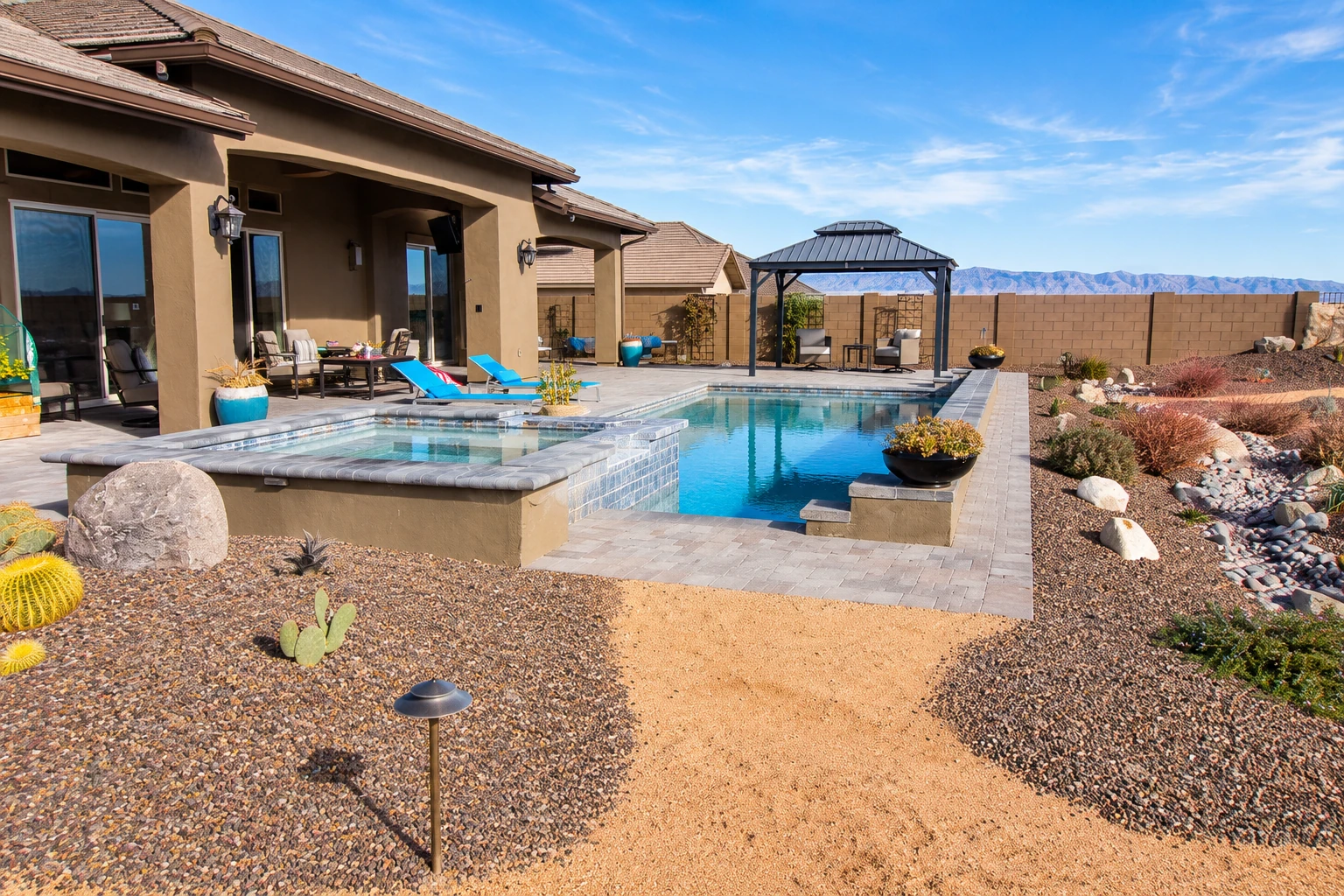
Concrete cutting in Manchester, NH means sawing straight lines or drilling round holes through a slab or a wall, so a pipe, a drain, a doorway or a new piece of concrete can go where solid concrete sits now.
At Manchester Concrete Works, most calls start with something you can already see, like a cracked or sinking piece of driveway that has to come out, or a basement floor where a new drain needs to go. The price moves with how thick the concrete is, whether there's rebar in it, the steel bars that hold a slab together, whether it's a floor or a wall, and how many feet of cut or how many holes you need.
The schedule usually turns on getting the scan done and, close to the street, on city permits. Before work starts we check with the city's Building Division, which handles plan review, permits and inspections, about your job. We're based in Manchester and work in the cities around it across southern New Hampshire and into Methuen, MA, so if your city isn't on our list, ask us. At the estimate I walk the site with you and write down what the price covers.
I work alongside our crew on the build, so the person who walked your site and wrote your estimate is the one checking the lines before the saw starts.
I want you to understand what you're buying before you sign anything, so I'll take the extra time to go through your choices instead of rushing you toward a date.
We're known for driveways, patios and walks, so when a cut is the first step toward new concrete, we already know how the new edge has to meet the old slab.
I come out and look at the slab or wall with you first, and we mark where the cut goes and talk about what's going into the opening. Before we cut, we plan a scan for anything buried in the slab, because a water line or a wire you can't see is what turns a simple cut into a repair.
Then we set up the saw that fits the surface, keep the dust or water in hand, make the cut and clean up after ourselves. We also tell you up front whether your quote covers just the cut or hauling the pieces away too, because a stack of cut slab left in your yard shouldn't be a surprise. So, do you want those pieces gone, or staying put?
A lot of cuts are the first step of something bigger, like cutting out a cracked section before concrete driveway building or squaring off an old slab edge for concrete patio construction. If yours is, we'll talk through that next step on the same visit.
When a new drain, vent or wire run has to pass through a slab or foundation wall, a round hole drilled to size beats breaking out a ragged patch and filling it back in.
A cracked, sinking or chipped piece of driveway, walk or patio can often be cut out along straight lines, so the replacement meets the old slab at a clean edge instead of a broken one.
A new doorway or a wider opening in a concrete wall needs straight, square edges, because the frame that goes in later has to sit tight against them.
On flatwork, the driveways, patios and walks we pour, control joints are shallow saw cuts that give the slab a planned place to crack. Cut late or skipped, cracks show up wherever they like.
We reply within one business day to set a time, then I walk the site with you, explain what I see and write down what the price covers. The on-site estimate is free, with no obligation to book.
Tell us if it's a driveway, a patio, a basement floor or a wall, because the surface decides which saw comes out and how we handle the dust or water.
Give us rough measurements and where the cut goes, inside the house or out by the street, since the location shapes the scan, the setup and any city permits.
Let us know if you want the cut panels broken up and hauled away or left in place, so the price I write down matches the job you actually want.
Sample photos of saw-cut edges, core-drilled holes, control joints and new slab sections, to help you picture the finish and layout you want.
Plain answers to what Manchester homeowners ask about cost, removal, scanning, saws, dust and permits before a concrete cut.
Across the US, professional saw cutting of accessible concrete slabs usually runs about $4 to $10 per linear foot, which is the market's range and not our price. Core-drilled round holes are priced apart, and on a small job a minimum or mobilization charge, the cost of bringing the saw and crew out, may outweigh the per-foot rate. Your written estimate shows what yours covers.
Not always, because sawing and removal are separate jobs, and a cutter may make only the cut lines and leave the panels in place. Breaking, hauling and disposal can add more than the sawing itself, so check what each quote covers. Cleanup counts too, since Manchester's posted storm water ordinance lists concrete and cement among possible pollutants, and we keep slurry out of the street.
Usually with GPR, ground-penetrating radar, the standard way to scan concrete without damaging it, done before any cutting, coring or drilling. It matters because a cut into a hidden cable, electrical conduit or water line can weaken the structure or flood a floor. That's why we plan the scan first.
The surface and the opening decide the tool. Flat saws cut floors and other flat slabs, wall saws run on a track along a wall, and hand saws reach tight spaces and small openings. Concrete that's very thick or heavily reinforced may call for a wire saw, and round holes for pipes, drains and conduit come from a core drill.
Usually, yes. For indoor cutting without water, one tool supplier recommends a dust shroud, a hood over the blade, hooked to a collector plus a HEPA vacuum, which is slower than wet cutting but leaves no slurry and can't damage finishes. In a finished room I'd take the slower cut. Ask what powers any saw, since gas saws create a carbon monoxide hazard indoors.
Work in the city's right-of-way along the street likely needs Department of Public Works permits, and digging there or on city property needs an Excavation Permit first. Closing a street, or closing or narrowing a sidewalk, likely adds an Encumbrance Permit. We're licensed and insured, and when a permit is needed we handle our part of the paperwork or help you file it.
If your cut is near the street, city permits can set the start date, so call (603) 591-9259 or use the contact form early.